
Understanding MPNs
What is a myeloproliferative neoplasm?
Research‑backed patient education is central to MPN Research Foundation’s mission. People living with essential thrombocythemia (ET) and other myeloproliferative neoplasms (MPNs) deserve clear, accurate information they can trust to understand their diagnosis, symptoms, and treatment options.
What you’ll find inside:
Short animated explainers that break down complex topics in minutes
Expert‑led FAQ videos answering common patient questions
Patient experience stories that reflect real‑world challenges and insights
Watch the You and MPN: An Animated Patient’s Guide – Understanding MPNs module to learn more about this diagnosis.

Join the MPN Research community
Be the first to know about the latest news and advancements.
Understanding Myeloproliferative Neoplasms (MPNs)
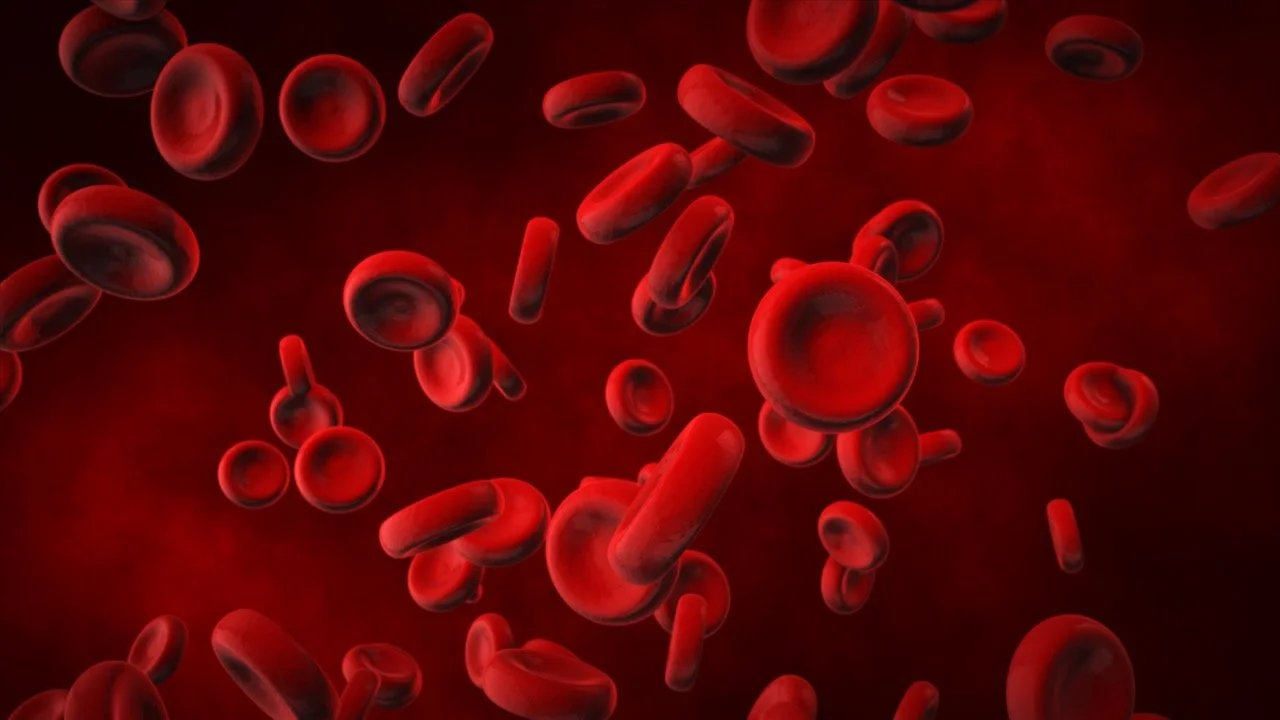
Your blood is made up of different types of cells. Each type has an important job. Red blood cells carry oxygen, white blood cells fight infections, and platelets help stop bleeding when needed. All these blood cells are made inside your bones, in the soft tissue called bone marrow. The bone marrow works like a factory, making just the right amount of each blood cell type based on instructions from your genes.
Sometimes, the bone marrow factory receives the wrong instructions and starts making too many of aspecific blood cell type. This leads to cancers called myeloproliferative neoplasms, or MPNs. You may also hear them called myeloproliferative disorders. Because there are too many cells, the blood becomes thicker and doesn’t flow as well, causing problems such as blood clots or bleeding. Scar tissue can build up in the bone marrow in a condition called fibrosis that crowds out healthy blood cells.
Understanding the term “myeloproliferative neoplasm” can help you understand what’s happening. “Myelo” means bone marrow, “proliferative” means increasing numbers, and “neoplasm” means an abnormal growth of cells.
Find support with others living with ET, PV, and MF

Main types of MPNs
There are several main types of MPNs.
First is essential thrombocythemia, or ET.¹ In ET, the bone marrow makes too many platelets. Since platelets help the blood form clots, having too many can cause blood clots where you don’t want them.
The second type is polycythemia vera, or PV.²˒³ In PV, the bone marrow overproduces red blood cells, making the blood thick. This slows blood flow and raises the risk of blood clots, heart attacks, or strokes.
The third type of MPN is myelofibrosis, or MF.⁴ In MF, your bone marrow becomes scarred. Imagine the factory floor getting crowded with broken machines. This scarring makes it hard for your bone marrow to work properly.
What causes MPNs?
MPNs can happen because of changes in your genes called mutations. Genes are like the instruction manual for how your body works. When a mutation happens, it’s like an error in the manual.
Important gene mutations in MPNs
People with MPNs often carry mutations in their bone marrow cells. Mutations in genes such as JAK2, CALR, or MPL tell the bone marrow to make too many blood cells. For example, nearly all people with PV have a JAK2 mutation. MPNs are more common in older adults, because mutations develop over time and it also takes time for them to affect the body.
Signs and symptoms of MPNs
Some people with MPNs don’t feel sick at all. Others may have symptoms like headaches, dizziness, tiredness, or itchy skin, especially after exposure to warm water.⁵ Other signs and symptoms can include night sweats, bone pain or pain under the left ribs, an enlarged spleen, and easy bruising or bleeding.⁵ The signs and symptoms depend on which type of MPN you have.
How are MPNs diagnosed?
To diagnose an MPN, doctors take blood samples to examine the cells. They also test for gene mutations such as JAK2. Your doctor may take a small sample of bone marrow in a procedure called a biopsy.⁶ This helps them see exactly what’s happening in your bone marrow “factory.” Finding the right diagnosis helps you and your doctor create the best treatment plan.
Treatment options for MPNs
Treatments for MPNs include regular checkups, medications to control blood cell counts, removing some blood if you have PV, blood thinners to prevent clots, and blood transfusions. A stem cell transplant, also called a bone marrow transplant, may be an option if you have an advanced MPN. Researchers are working hard and developing new MPN treatments in clinical trials.
Living well with an MPN
Living with an MPN means partnering with your healthcare team. Track your symptoms, ask questions until you understand your condition, and tell your doctor what’s important to you. Good care and open communication can help people with MPNs lead active, fulfilling lives. When you understand your condition, you’re better able to manage your health and partner with your care team to get the best results.
References
MPN Research Foundation. What is essential thrombocythemia (ET)
https://mpnresearchfoundation.org/essential-thrombocythemia-etMPN Research Foundation. What is polycythemia vera (PV)?
https://mpnresearchfoundation.org/polycythemia-vera-pvMayo Clinic. Polycythemia vera. Last revised: May 8, 2025.
https://www.mayoclinic.org/diseases-conditions/polycythemia-vera/symptoms-causes/syc-20355850MPN Research Foundation. What is myelofibrosis (MF)?
https://mpnresearchfoundation.org/primary-myelofibrosis-pmfMD Anderson Cancer Center. Myeloproliferative neoplasm symptoms.
https://www.mdanderson.org/cancer-types/myeloproliferative-neoplasm/myeloproliferative-neoplasm-symptoms.htmlNational Comprehensive Cancer Network (NCCN). NCCN Guidelines for Patients: Myeloproliferative Neoplasms.
Patient stories
Learn more stories about others’ diagnoses and what they’re doing to make a difference in MPN research.